
Research Peptides
Our research peptides come as freeze-dried powder in sealed sterile glass vials. Each listing shows the amount per vial, the CAS number, the purity and the date of the latest certificate of analysis from MZ Biolabs.
We’ve grouped the range below by the area of research each one is most often used in. Plenty of them cross over, so use the groups as a starting point. Every product page goes into more detail on where the peptide came from, what the published studies found and how to store and reconstitute it.
Research peptides by area of study
Tissue repair: BPC-157 and TB-500 are the two most studied repair peptides, and GHK-Cu copper peptide is widely researched for collagen and skin. KPV is a short alpha-MSH fragment studied for gut inflammation.
Growth hormone: ipamorelin and GHRP-6 act on the ghrelin receptor. Sermorelin, CJC-1295 DAC and tesamorelin are GHRH analogs with very different half-lives. IGF-1 LR3 and PEG-MGF cover the IGF-1 side.
Metabolism and aging: MOTS-c, AOD-9604, NAD+ and epitalon.
Brain and hormones: selank, DSIP, kisspeptin-10, PT-141 and melanotan II.
Handling lyophilized research peptides
Store unopened vials in the fridge, or in the freezer for longer storage, away from light. To reconstitute, let the vial reach room temperature, add sterile diluent slowly down the side of the glass and swirl gently. Don’t shake it. Once mixed, keep it cold and avoid repeated freezing and thawing. Each product page includes an example of the reconstitution math for that vial size.
Testing you can check
Every batch is sent to MZ Biolabs, an independent lab in Arizona, for identity and purity testing before it’s listed. We publish the results, and we’ll email the full COA on request. For background on any peptide, search PubMed.
Want two or three vials together? Our peptide stacks cost less than buying them separately. All research peptides are sold for laboratory use only and aren’t for human or veterinary use.
Research peptides FAQ
What does lyophilized mean?
Freeze-dried. The peptide is a dry powder until you add diluent, which keeps it stable for longer.
How much peptide is in each vial?
It depends on the product, from 1 mg for IGF-1 LR3 to 500 mg for NAD+. Each page lists the exact amount.
Is NAD+ a peptide?
No, it’s a coenzyme. We list it here because it’s used in similar research.
Can I see the COA before I order?
Yes. The purity and COA date are on each product page, and we’ll email the full certificate if you ask.
Showing 1–16 of 20 results
-
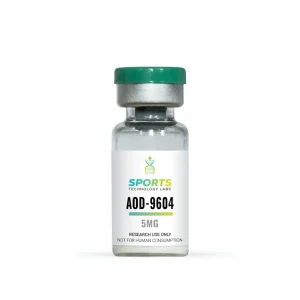
AOD-9604 Peptide 5 mg
$74.00 Add to cart -
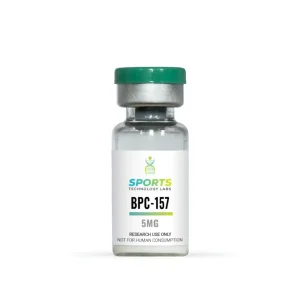
BPC-157 5 mg
$59.00 Add to cart -
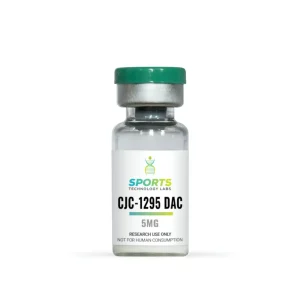
CJC-1295 DAC 5 mg
$89.00 Add to cart -

DSIP 5 mg (Delta Sleep-Inducing Peptide)
$49.00 Add to cart -
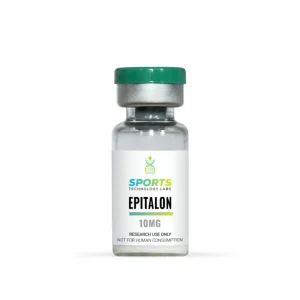
Epitalon 10 mg
$54.00 Add to cart -

GHK-Cu Copper Peptide 50 mg
$59.00 Add to cart -

GHRP-6 5 mg
$54.00 Add to cart -
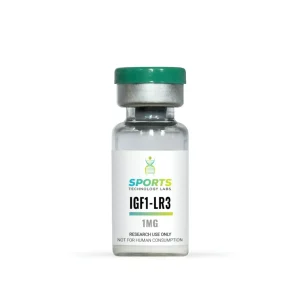
IGF-1 LR3 1 mg
$129.00 Add to cart -
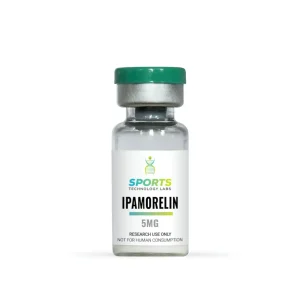
Ipamorelin 5 mg
$54.00 Add to cart -

Kisspeptin-10 5 mg
$54.00 Add to cart -
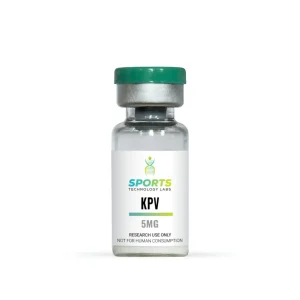
KPV Peptide 5 mg
$54.00 Add to cart -
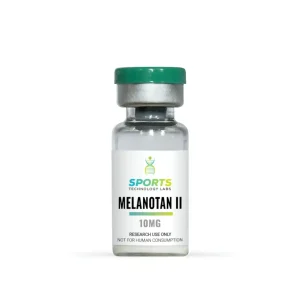
Melanotan II 10 mg
$49.00 Add to cart -
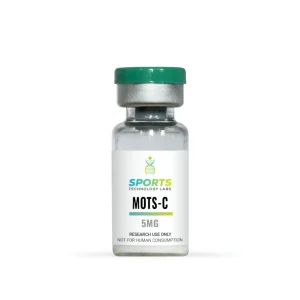
MOTS-c 5 mg
$59.00 Add to cart -
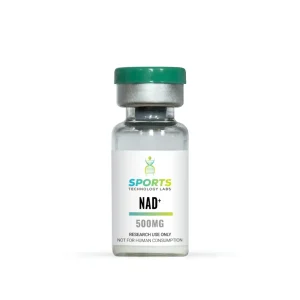
NAD+ 500 mg
$129.00 Add to cart -
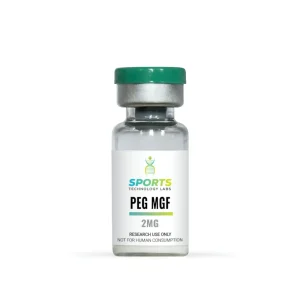
PEG-MGF 2 mg
$49.00 Add to cart -
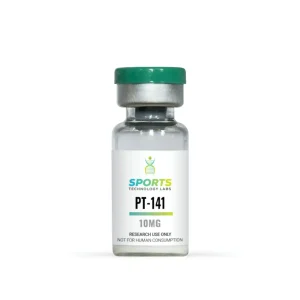
PT-141 (Bremelanotide) 10 mg
$54.00 Add to cart